
Silicone
Silicone Rubber (VMQ / PVMQ)
A flexible, temperature-resistant rubber that maintains its properties from very low to high service temperatures, with excellent UV and ozone resistance.
Overview
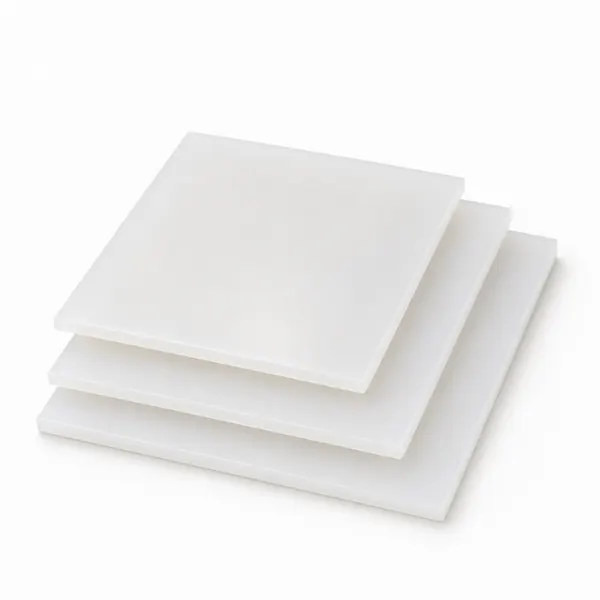
Silicone rubber (VMQ — vinyl methyl silicone) is a synthetic elastomer based on a silicon-oxygen backbone, which gives it a fundamentally different thermal and chemical profile from hydrocarbon-based rubbers such as NBR, EPDM, and neoprene. Its most distinctive characteristic is its very wide service temperature range — it remains flexible and elastic at temperatures where most rubbers stiffen and crack, and continues to perform at elevated temperatures beyond the capability of most rubber types. Silicone also has excellent resistance to UV radiation, ozone, and atmospheric ageing. A significant limitation is its poor resistance to petroleum-based oils and fuels — for those applications, NBR or Viton is the appropriate choice. Silicone is available in sheet, rod, and tube for general gasketing and sealing; sponge and profile forms are also available for specific sealing applications. Grades vary from general purpose to higher-purity platinum-cured grades used in sensitive process environments. Advance Supplies carries silicone rubber sheet, rod, and tube in general-purpose grade.
Working properties
-
Temperature range
Silicone maintains its flexibility and elastic properties across a wider temperature range than any other common rubber — performing at both high continuous service temperatures and well below zero without stiffening. This makes it the standard choice for high-temperature gaskets, oven door seals, and any sealing application that must function across extreme temperature swings.
-
Low-temperature flexibility
At low temperatures where most rubbers (NBR, EPDM, neoprene) become stiff and lose sealing force, silicone remains flexible. This is particularly important in refrigeration equipment, cold-room sealing, and outdoor applications in cold climates.
-
UV, ozone, and weathering resistance
Silicone is inherently resistant to UV radiation, ozone, and atmospheric oxygen — it does not harden, crack, or degrade on outdoor or UV-exposed surfaces the way hydrocarbon rubbers do. This makes it suitable for long-term outdoor sealing without the rapid degradation seen with NBR or natural rubber.
-
Oil and solvent resistance
Silicone has poor resistance to petroleum-based oils, fuels, and many hydrocarbon solvents — this is its primary limitation. For seals in contact with oils, hydraulic fluid, or fuel, NBR or Viton (FKM) is the appropriate choice. Silicone should not be specified where petroleum media contact is possible.
-
Mechanical strength
Silicone has lower tensile strength and tear resistance than most other rubber types. It is not suitable for applications involving significant mechanical abrasion, stretching, or heavy dynamic loading. Its strength is adequate for static and low-dynamic sealing applications.
-
Grades and purity
General-purpose silicone is suitable for industrial sealing and gasketing. For sensitive applications — including those involving food, pharmaceuticals, or medical devices — the specific grade, curing system (peroxide vs platinum), and any regulatory requirements must be confirmed with your supplier at the time of ordering.
Typical uses
- High-temperature gaskets and seals for ovens, furnaces, and autoclaves
- Cold-room and refrigeration door seals
- Outdoor sealing profiles and weatherstripping
- Electrical insulation and sealing in high-temperature environments
- Vibration damping pads and mounts
- General-purpose gasketing where wide temperature range is required
Things to confirm before ordering
- Temperature range — confirm the minimum and maximum service temperatures; standard silicone covers a wide range but extreme applications may need specialist grades.
- Media contact — confirm there is no petroleum oil or fuel contact; silicone is not suitable for oil-service sealing.
- Hardness — silicone is available in a range of Shore A hardness values; confirm required hardness for your sealing or damping application.
- Grade — for food, pharmaceutical, or medical applications, discuss the specific grade requirements with us before ordering; general-purpose silicone may not meet your compliance requirements.
- Sponge vs solid — if you need a compressible seal for uneven or rough surfaces, silicone sponge may be appropriate; confirm this as a separate form.
How does Silicone compare?
-
EPDM →
EPDM is the standard choice for general weathersealing, water systems, and outdoor exposure at a lower cost than silicone. EPDM has better water and steam resistance than silicone and is suitable for most outdoor sealing where extreme temperature range is not needed. Not suitable for petroleum media.
-
Viton (FKM) →
Viton has outstanding resistance to petroleum oils, fuels, and aggressive solvents — where silicone fails. Viton also has high-temperature capability. Choose Viton where oil and chemical resistance is the priority; choose silicone where low-temperature flexibility and wide temperature range are the drivers.
-
NBR (Nitrile Rubber) →
NBR is the standard choice for oil and fuel sealing at a significantly lower cost than Viton. NBR has poor UV and ozone resistance and a narrower temperature range than silicone. Choose NBR for oil-contact seals; choose silicone for temperature-critical or outdoor applications with no oil contact.
Properties on this page are indicative only — exact mechanical, thermal, and chemical values vary by grade, filler, and manufacturer. Always verify suitability for your specific application before ordering. Need a certified grade? (FDA, UL94, food-grade, medical-grade, ISO) — ask us via WhatsApp and we will advise on what is available.