
Viton (FKM)
Fluoroelastomer (Fluorocarbon Rubber)
A high-performance fluoroelastomer with exceptional resistance to oils, fuels, chemicals, and high temperatures — the premium sealing rubber.
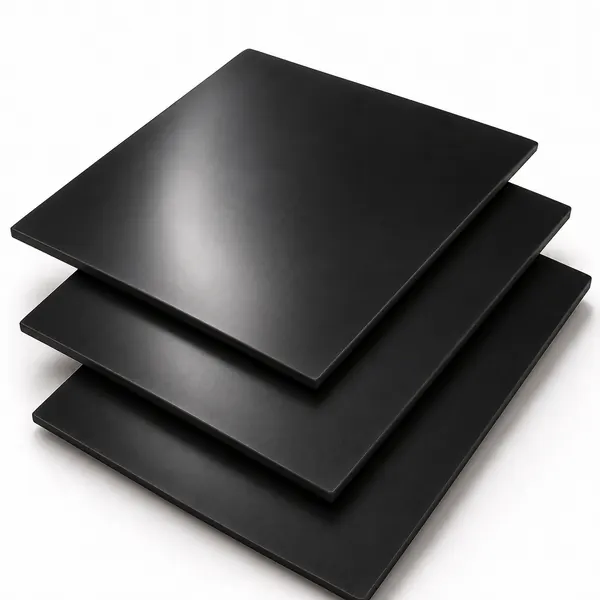
Overview
Viton is the Chemours trade name for a range of fluoroelastomers (FKM). It is the highest-performance elastomer in general industrial use, offering exceptional resistance to oils, fuels, hydraulic fluids, chemicals, and elevated temperatures — a combination that no other common rubber matches. Where NBR reaches its temperature or chemical limits, Viton is the upgrade. Where Silicone fails in oil environments, Viton is the answer. Viton is used in the most demanding sealing applications: aerospace fuel systems, chemical process equipment, automotive high-temperature engine seals, and semiconductor wet processing. It commands a significant cost premium over all other rubber grades and is chosen specifically for performance requirements that no cheaper rubber can meet.
Working properties
-
High-temperature oil and chemical resistance
Viton combines high service temperature capability with excellent resistance to a very broad range of chemicals — petroleum oils, fuels, hydraulic fluids, aromatic hydrocarbons, chlorinated solvents, and concentrated acids — at temperatures where NBR and Neoprene would fail. This combination is unique among common elastomers.
-
Continuous service temperature
Viton can operate continuously at temperatures significantly above what NBR, Neoprene, or EPDM can tolerate. In high-temperature applications — turbine fuel systems, engine seals, and heat-exposed chemical equipment — Viton is the standard solution.
-
Fluorine content and chemical inertness
The high fluorine content of FKM is responsible for its chemical inertness. Different FKM types (A, B, GF, ETP) vary in fluorine content and chemical resistance; type selection should be matched to the specific chemical exposure, particularly for very aggressive agents such as ketones, amines, or hot water/steam.
-
Limitations in steam and hot water
Standard Viton grades are not compatible with steam, hot water, or strong bases (amines). For steam sealing, EPDM or specific steam-grade compounds are used. Confirm compatibility for any aqueous or steam environment.
-
Low-temperature performance
Standard Viton grades stiffen at low temperatures more than NBR or silicone. For cold-temperature sealing, confirm that standard FKM grades meet the minimum temperature requirement; low-temperature Viton grades (GLT, GFLT) are available.
-
Cost
Viton is the most expensive common elastomer. It is selected only when its specific performance is required — not as a general-purpose upgrade to NBR or Neoprene.
Typical uses
- O-rings and seals in fuel, hydraulic, and lubricating oil systems at elevated temperatures
- Chemical process equipment seals in aggressive solvent, acid, and fuel environments
- Automotive engine seals — valve stem seals, crankshaft seals, transmission seals
- Aerospace fuel and hydraulic system seals
- Semiconductor process seals in chemical and plasma environments
Things to confirm before ordering
- FKM type — Viton A, B, GF, or GLT (low temperature); the appropriate type depends on the specific chemicals and temperature range. Confirm the chemical and temperature requirements at enquiry.
- Steam or hot water exposure — standard Viton is not steam-resistant; confirm if aqueous exposure is part of the environment.
- Hardness — Viton sheet is available in different Shore A hardnesses; confirm required hardness for sealing load.
- Low-temperature requirement — if sealing at low temperatures, confirm minimum service temperature to determine whether standard or low-temperature grade is needed.
How does Viton (FKM) compare?
-
NBR →
NBR is the cost-effective choice for oil and fuel sealing within its temperature range. When temperature or chemical aggressiveness exceeds NBR capability, Viton is the appropriate upgrade — at significantly higher cost.
-
Silicone →
Silicone has excellent high-temperature and low-temperature range, and good UV/ozone resistance, but poor oil resistance. Viton and silicone address different environments — Viton for oil/chemical/high-temperature combinations, silicone for food/medical/extreme temperature ranges without oil contact.
Properties on this page are indicative only — exact mechanical, thermal, and chemical values vary by grade, filler, and manufacturer. Always verify suitability for your specific application before ordering. Need a certified grade? (FDA, UL94, food-grade, medical-grade, ISO) — ask us via WhatsApp and we will advise on what is available.