
EPDM
Ethylene Propylene Diene Monomer Rubber
The standard weather, ozone, and steam-resistant rubber for outdoor sealing, roofing, and water system applications.
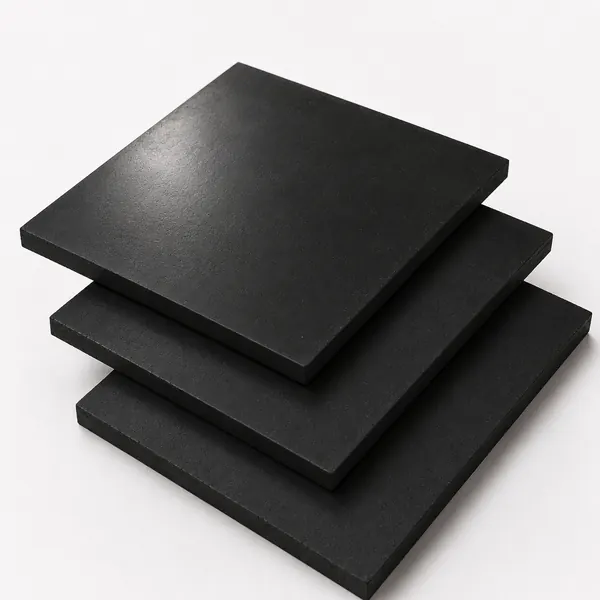
Overview
EPDM (Ethylene Propylene Diene Monomer) is a synthetic rubber distinguished by its outstanding resistance to weathering, UV, and ozone — the degradation modes that cause natural rubber and SBR to crack over time outdoors. EPDM is also highly resistant to steam and hot water, and performs well across a wide temperature range. These properties make it the dominant rubber in outdoor sealing, roofing membranes, building expansion joints, window seals, and water system gaskets. It is not suitable for petroleum-based oil or fuel environments — in those applications it swells rapidly. EPDM is also widely used for steam seals in industrial equipment and general fluid sealing where chemical exposure is to water, steam, alkalis, or acids rather than oils.
Working properties
-
Ozone and UV (weather) resistance
EPDM's defining advantage is its outstanding resistance to ozone and UV degradation. Unlike NR, SBR, or NBR, EPDM does not develop surface cracks on outdoor exposure. This is why it is the standard rubber for outdoor gaskets, building seals, and roofing membranes intended for long service lives.
-
Steam and hot water resistance
EPDM withstands steam and hot water exposure better than most other rubber grades. It is used for steam line gaskets, autoclave seals, and water system components where temperature and moisture are combined.
-
Temperature range
EPDM maintains flexibility and performance across a broad temperature range — useful in environments with significant temperature cycling, from cold outdoor conditions to moderate elevated temperatures.
-
Oil and fuel incompatibility
EPDM swells significantly and rapidly in petroleum-based oils, fuels, and hydraulic fluids. It must never be used in oil or fuel contact environments. Confirming the fluid environment before specifying EPDM is critical.
-
Chemical resistance
EPDM resists dilute acids, alkalis, and many polar solvents well. It is a common choice for chemical plant sealing where the medium is water-based, acidic, or alkaline rather than oil-based.
Typical uses
- Outdoor gaskets, weather seals, and building expansion joint seals
- Roofing membranes and waterproofing sheet
- Steam system gaskets and autoclave door seals
- Water and coolant system seals and gaskets
- HVAC duct sealing and building cladding gaskets
- Rubber profiles for window and door sealing
Things to confirm before ordering
- Oil or fuel contact — EPDM is incompatible with petroleum-based oils and fuels; confirm fluid environment before specifying.
- Steam pressure and temperature — confirm the maximum steam temperature and pressure for steam seal applications.
- Hardness — EPDM sheet is available in a range of Shore A hardnesses; confirm the required hardness for sealing pressure and joint design.
- Profile or sheet — for specific sealing cross-sections, enquire about available profile shapes.
How does EPDM compare?
-
NBR →
NBR is the oil-resistant rubber; EPDM is the weather/steam-resistant rubber. They serve fundamentally different environments. NBR is not suitable for outdoor exposure; EPDM is not suitable for oil contact.
-
Neoprene (CR) →
Neoprene offers a compromise — moderate oil resistance and moderate weather resistance. EPDM is significantly better for pure weathering/ozone/steam environments; NBR is significantly better for pure oil environments. Neoprene sits in between.
Properties on this page are indicative only — exact mechanical, thermal, and chemical values vary by grade, filler, and manufacturer. Always verify suitability for your specific application before ordering. Need a certified grade? (FDA, UL94, food-grade, medical-grade, ISO) — ask us via WhatsApp and we will advise on what is available.