
CR / Neoprene
Chloroprene Rubber (Neoprene)
A versatile synthetic rubber with moderate oil, weather, and flame resistance — a balanced-property general industrial rubber.
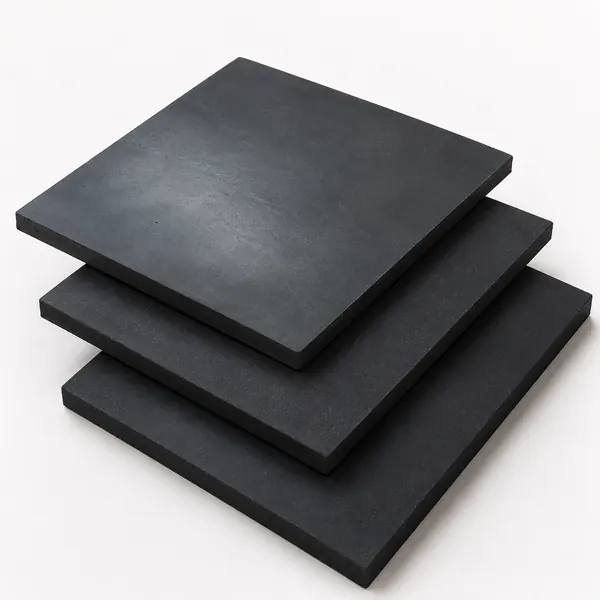
Overview
Chloroprene Rubber (CR), universally known by the DuPont trade name Neoprene, is a synthetic rubber with a useful balance of properties that makes it suitable for a wide range of industrial sealing and gasketing applications. Unlike NBR (oil-focused) or EPDM (weather/steam-focused), Neoprene delivers moderate resistance to both oil and weathering, along with good flame resistance and broad temperature capability. This balance — rather than excellence in any single area — is why Neoprene is specified when the environment involves a combination of demands. It is used in marine, HVAC, automotive, and general industrial applications.
Working properties
-
Balanced oil and weather resistance
Neoprene resists moderate concentrations of oils and petroleum-based fluids better than EPDM, and resists ozone and weathering better than NBR. Neither resistance is as good as the specialist rubber for that environment, but Neoprene is chosen when both oil and outdoor exposure occur in the same application.
-
Flame resistance
Neoprene has inherent flame resistance — it will burn in an open flame but self-extinguishes when the flame is removed. This makes it suitable for applications where some fire resistance is required without the cost or complexity of highly specialised materials.
-
Mechanical properties
Neoprene provides good tensile strength, moderate tear resistance, and good elastomeric recovery. It performs reasonably across a range of static sealing and gasketing applications.
-
Temperature range
Neoprene operates across a moderate temperature range, performing better than NBR at low temperatures and better than NR/SBR in outdoor conditions. For extreme high temperatures, Viton is required; for extreme low temperatures, silicone is more appropriate.
-
Water and chemical resistance
Neoprene has good resistance to water, mild acids, and alkalis. It is used in marine applications for its combination of water resistance, moderate oil resistance, and durability.
Typical uses
- Marine seals, fenders, hose covers, and dock bumpers
- HVAC flexible duct connectors and expansion joints
- General-purpose gaskets in mixed-environment industrial equipment
- Conveyor belt covers in mild oil environments
- Cable jacketing and protective sleeving
- Anti-vibration mounts where moderate chemical exposure is present
Things to confirm before ordering
- Oil type and concentration — Neoprene handles mild oil exposure; for heavy petroleum contact, NBR is more appropriate.
- Temperature range — confirm minimum and maximum service temperatures.
- Hardness — available in a range of Shore A hardnesses; confirm required hardness.
- Flame requirement — if a specific flame-resistance class is required (rather than general inherent resistance), confirm this at enquiry.
How does CR / Neoprene compare?
-
NBR →
NBR is significantly better in oil and fuel environments. If oil resistance is the primary concern and outdoor weathering is minimal, NBR is the better choice.
-
EPDM →
EPDM is far better for pure weathering, ozone, and steam applications. For outdoor sealing with no oil contact, EPDM is preferred over Neoprene.
Properties on this page are indicative only — exact mechanical, thermal, and chemical values vary by grade, filler, and manufacturer. Always verify suitability for your specific application before ordering. Need a certified grade? (FDA, UL94, food-grade, medical-grade, ISO) — ask us via WhatsApp and we will advise on what is available.