
ESD PVC / PC / PMMA
Electrostatic Dissipative Common Engineering Plastics
ESD-modified versions of common engineering plastics — for enclosures, panels, and covers in ESD-controlled environments.
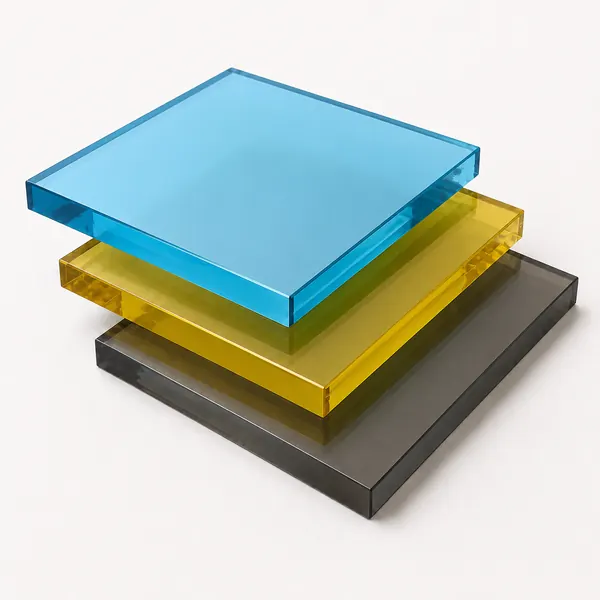
Overview
ESD-grade versions of common engineering plastics — including PVC, polycarbonate (PC), and acrylic (PMMA) — are available for applications where the base material's properties are required in an ESD-safe form. These materials are typically used for enclosures, panels, dividers, covers, and viewing windows in ESD-controlled areas (workstations, storage areas, and handling zones) where the large surface area of a standard insulating plastic sheet would accumulate static charge and pose a risk to sensitive electronics. Each base material retains most of its standard properties while providing controlled surface resistivity.
Working properties
-
ESD PVC sheet
ESD PVC retains standard PVC's rigidity, chemical resistance, and ease of fabrication while providing static-dissipative surface resistivity. Used for ESD workstation surfaces, bin dividers, component storage panels, and anti-static lining in electronic assembly areas.
-
ESD Polycarbonate (PC) sheet
ESD PC combines PC's impact resistance and optical clarity (in some grades) with ESD performance. Used for machine viewing windows and guards in ESD-sensitive areas, enclosure panels, and covers where impact resistance is needed alongside ESD control.
-
ESD Acrylic (PMMA) sheet
ESD acrylic provides the clear optical quality of acrylic with a surface conductive coating or inherent ESD modification. Used for display covers, protective panels, and viewing windows in ESD-controlled areas where clarity is more important than the impact resistance of ESD PC.
-
Surface vs bulk ESD treatment
Some ESD sheet products use a surface coating to provide conductivity (typically an ITO or conductive coating); others are compounded with conductive filler throughout. Surface-coated materials lose ESD performance if the surface is scratched through; bulk-compounded materials maintain ESD properties through the thickness. Confirm which type is supplied.
-
Fabrication
ESD versions of these materials fabricate similarly to their standard counterparts — they can be cut, drilled, bent (where appropriate for the base material), and bonded using standard methods. Follow the base material's processing guidelines.
Typical uses
- ESD workstation surfaces, dividers, and shelf liners in electronic assembly areas
- Machine guards and viewing panels in ESD-controlled production zones
- Component storage bin dividers and ESD tote inserts
- Enclosure panels and covers in ESD-sensitive equipment
- Anti-static protective covers for sensitive electronic assemblies during storage or transit
Things to confirm before ordering
- Base material — specify PVC, PC, or PMMA depending on the properties required (chemical resistance, impact resistance, or optical clarity).
- Resistivity class — confirm required surface resistivity range; these materials are typically static-dissipative (10⁵–10¹¹ Ω/sq) rather than fully conductive.
- Surface coating vs bulk — confirm whether surface-coated or bulk-compounded ESD sheet is required for your application.
- Thickness and size — standard ESD sheet is available in a range of thicknesses; confirm requirements.
How does ESD PVC / PC / PMMA compare?
-
Standard PVC / PC / PMMA
Standard versions of these materials are insulators and are inappropriate for ESD-controlled environments. If ESD classification applies to the workspace, ESD-grade sheet should be specified.
-
ESD POM →
ESD POM is a precision engineering material for machined components. ESD PVC/PC/PMMA sheet is used for panels, enclosures, and covers — not machined structural components.
Properties on this page are indicative only — exact mechanical, thermal, and chemical values vary by grade, filler, and manufacturer. Always verify suitability for your specific application before ordering. Need a certified grade? (FDA, UL94, food-grade, medical-grade, ISO) — ask us via WhatsApp and we will advise on what is available.