
Ceramic
Technical / Engineering Ceramic
Extreme-temperature, electrically insulating, and wear-resistant — for the applications where no polymer material is adequate.
Overview
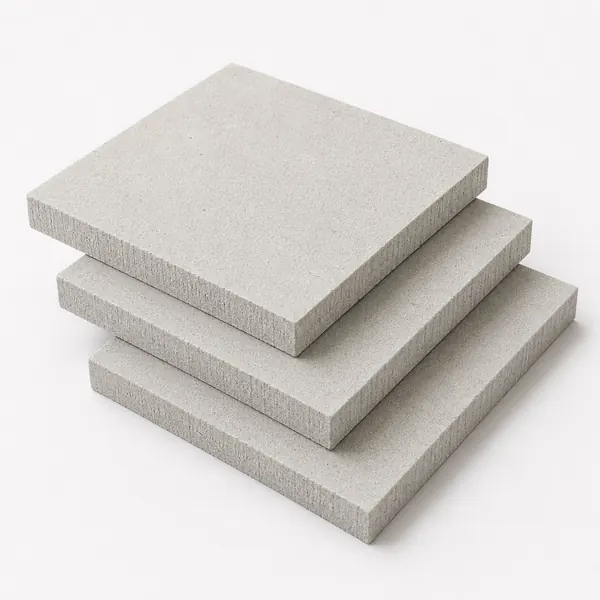
Technical ceramics (engineering ceramics) are a family of non-metallic, inorganic materials used where no polymer — not even the most advanced engineering plastic — can provide adequate performance. The most common grades in industrial use are alumina (Al₂O₃), zirconia (ZrO₂), silicon nitride (Si₃N₄), and silicon carbide (SiC), each with distinct property profiles. Technical ceramics are characterised by extremely high hardness, wear resistance, electrical insulation capability at very high temperatures, and corrosion resistance in environments that would attack metals and plastics. They are brittle — they fracture under tensile stress or impact — and are difficult to machine, typically requiring diamond tooling. Supply lead times are generally long as components are produced to order.
Working properties
-
High-temperature capability
Technical ceramics maintain their properties at temperatures far beyond any metal or plastic — alumina retains useful properties above 1,500°C in air. They are used in furnace components, kiln furniture, high-temperature process equipment, and aerospace thermal protection where no other material family is adequate.
-
Electrical insulation at high temperature
Most engineering ceramics remain excellent electrical insulators even at elevated temperatures where metals become more conductive and plastics have long since degraded. Alumina is used for high-voltage insulator standoffs, spark plug insulators, and high-temperature electrical feedthroughs for this reason.
-
Extreme hardness and wear resistance
Ceramics are among the hardest engineering materials — alumina and zirconia are used for cutting tool inserts, abrasive media, and wear-resistant nozzles, seals, and guides. Silicon carbide is used for mechanical seal faces in highly abrasive or chemically aggressive pump applications.
-
Chemical corrosion resistance
Technical ceramics resist attack from most acids, alkalis, and organic solvents, including environments that would rapidly corrode metals or attack fluoropolymers. Specific grades vary in chemical resistance; alumina has broad resistance, while silicon carbide is used in the most aggressive chemical pump applications.
-
Brittleness
The critical limitation of ceramics is brittleness. Ceramics have very low tensile strength and fracture resistance compared with metals and engineering plastics. They must be used in compressive loading conditions and protected from impact and thermal shock. Mounting designs must not impose bending or tensile stresses.
Typical uses
- High-temperature furnace components — setters, crucibles, kiln furniture, and process tubes
- Mechanical seal faces in pumps handling abrasive slurries or aggressive chemicals
- Electrical insulator standoffs and high-voltage insulators at elevated temperatures
- Wear-resistant nozzles, liners, and guides in abrasive powder handling
- Semiconductor and solar cell process chamber components requiring extreme purity and heat resistance
- Cutting tool inserts and precision grinding media
Things to confirm before ordering
- Ceramic grade — alumina, zirconia, silicon carbide, silicon nitride, or other; each has distinct properties. Provide application details for grade recommendation.
- Component dimensions and geometry — ceramics are typically produced to order; provide drawings or specifications at the time of enquiry.
- Purity requirement — high-purity alumina (99.5%+) is required for semiconductor and high-temperature electrical applications; standard grades are appropriate for general industrial use.
- Lead time — ceramic components are produced to order and typically have longer lead times than plastic or metal components; plan accordingly.
How does Ceramic compare?
-
PEEK / Vespel
High-performance plastics such as PEEK and Vespel cover many high-temperature applications up to their respective limits. Technical ceramics are used only when those limits are exceeded or when wear, hardness, or electrical insulation at very high temperature is required.
-
Graphite →
Graphite is used for high-temperature applications in non-oxidising atmospheres where electrical conductivity is needed or self-lubrication is required. Technical ceramics are electrical insulators and are appropriate for oxidising atmospheres and wear applications where graphite's conductivity or softness is a limitation.
Properties on this page are indicative only — exact mechanical, thermal, and chemical values vary by grade, filler, and manufacturer. Always verify suitability for your specific application before ordering. Need a certified grade? (FDA, UL94, food-grade, medical-grade, ISO) — ask us via WhatsApp and we will advise on what is available.